Secure Connections, Unwavering Strength: Trusted bolts, nuts, and washers for reliable fastening in construction projects
We are your trusted source for top-quality fastening solutions in the construction industry. With our extensive range of bolts, nuts, and washers, we provide the essential components you need for secure and reliable connections in every construction project.
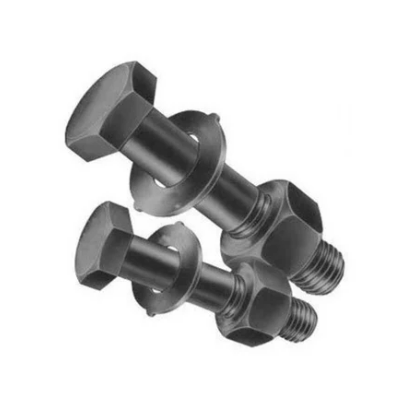
HSFG/MS/HT Bolts
High-Strength Friction Grip (HSFG) bolts, Mild Steel (MS) bolts, and High-Tensile (HT) bolts are commonly used fasteners in construction. These bolts are designed to provide high strength and durability, ensuring reliable connections in structural applications. They are available in various sizes and grades, catering to different load requirements and construction specifications.
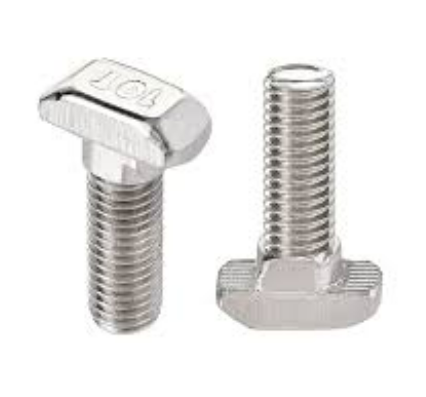
Tee Bolt
Tee bolts, also known as T-bolts, are specialized fasteners featuring a T-shaped head. They are commonly used in conjunction with T-slot aluminum profiles or other structural components. Tee bolts provide a secure connection and allow for easy assembly and disassembly, making them ideal for applications where flexibility and adjustability are required.
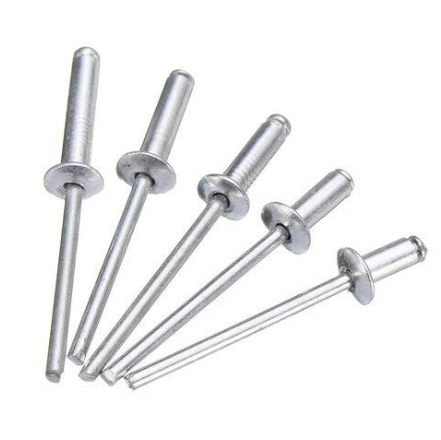
Rivets
Rivets are permanent fasteners used to join two or more pieces of material together. They consist of a cylindrical shaft with a head on one end. Rivets are typically installed by inserting them into pre-drilled holes and then deforming the tail end to create a secure connection. They offer excellent shear and tensile strength, making them suitable for structural applications.
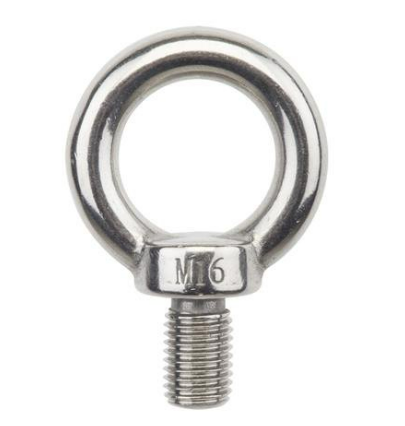
Eye Bolt
Eye bolts are fasteners with a looped head, known as an eye, at one end. They are designed for applications where lifting, rigging, or securing objects is required. Eye bolts provide a reliable attachment point for hooks, chains, or ropes, allowing for easy and safe handling of heavy loads.
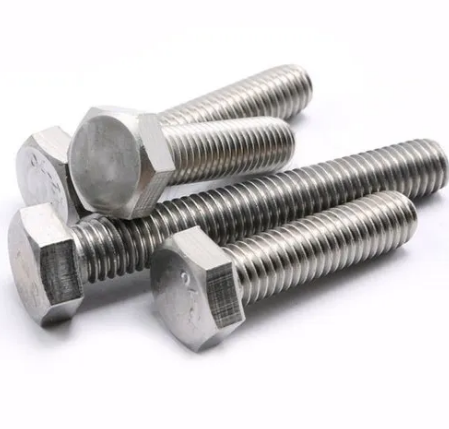
Hex Bolt
Hex bolts, also known as hexagon head bolts or cap screws, are one of the most common types of bolts used in construction. They feature a hexagonal head and a threaded shaft. Hex bolts are versatile and can be used for a wide range of applications, including joining structural components, securing machinery, and fastening various fixtures.
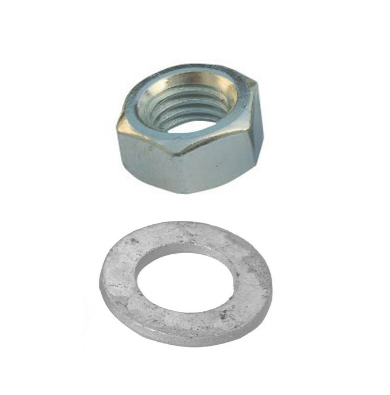
Hex Nut & Washer
Hex nuts and washers are essential components used in conjunction with bolts. Hex nuts have internal threads that match the bolt's threads, allowing for secure fastening. Washers are flat, circular discs placed under the nut to distribute the load and prevent damage to the material. Hex nuts and washers ensure a strong and stable connection, enhancing the structural integrity of the assembly.
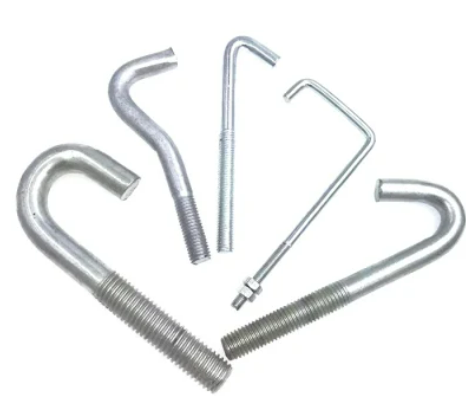
U-Bolt & J-Bolt
U-bolts and J-bolts are specialized fasteners designed in the shape of the respective letters. U-bolts have a U-shaped bend with threaded arms on both ends, while J-bolts have a J-shaped hook at one end and a threaded shaft at the other. These bolts are commonly used for securing pipes, rods, or other cylindrical objects to a structure, providing a reliable and adjustable connection.
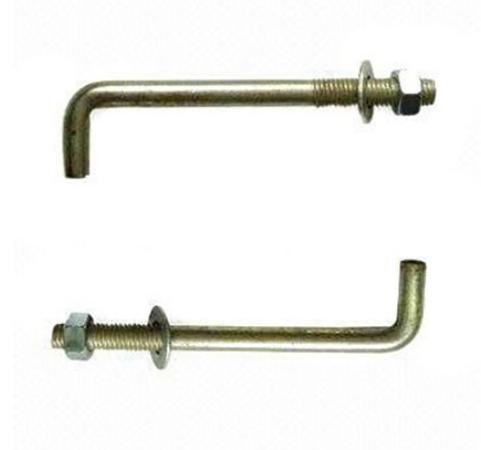
Foundation Bolts
Foundation bolts, also known as anchor bolts, are used to secure structural elements to concrete or masonry foundations. They are typically embedded in the foundation during construction and provide a stable anchor point for columns, beams, equipment, or machinery. Foundation bolts come in various configurations, such as L-bolts, J-bolts, or straight rods, depending on the specific application.
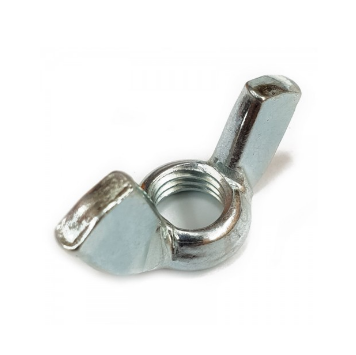
Wing Nut
Wing nuts are fasteners with two large wings or projections on the head, allowing for easy hand tightening and loosening
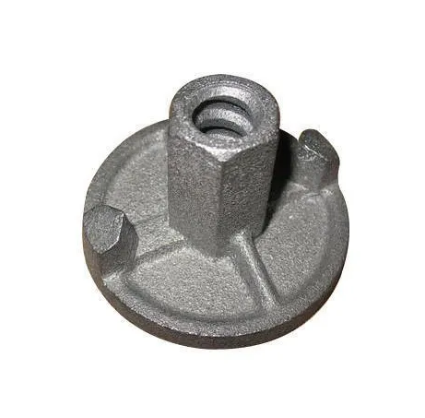
Anchor Nut
Anchor nuts are specialized fasteners used in conjunction with tie rods or threaded bars. They feature a hexagonal or square-shaped body with internal threads to secure the tie rods. Anchor nuts are commonly used in construction applications where a strong and reliable connection is required, such as formwork systems, scaffolding, and retaining walls. They provide stability and load-bearing capacity, ensuring the structural integrity of the assembly.
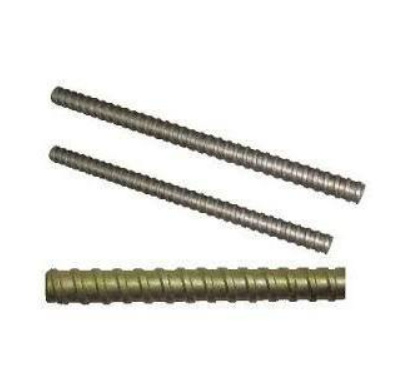
Cold-Rolled Tie Rods
Cold-rolled tie rods, also known as threaded bars or construction rods, are long cylindrical rods with external threads along their entire length. These rods are typically made of high-strength steel and are used to create tension in construction applications. Cold-rolled tie rods are often employed in formwork systems, concrete structures, and retaining walls to provide stability and reinforcement. They are available in various diameters and lengths to accommodate different construction requirements.